Building date:
Original use:
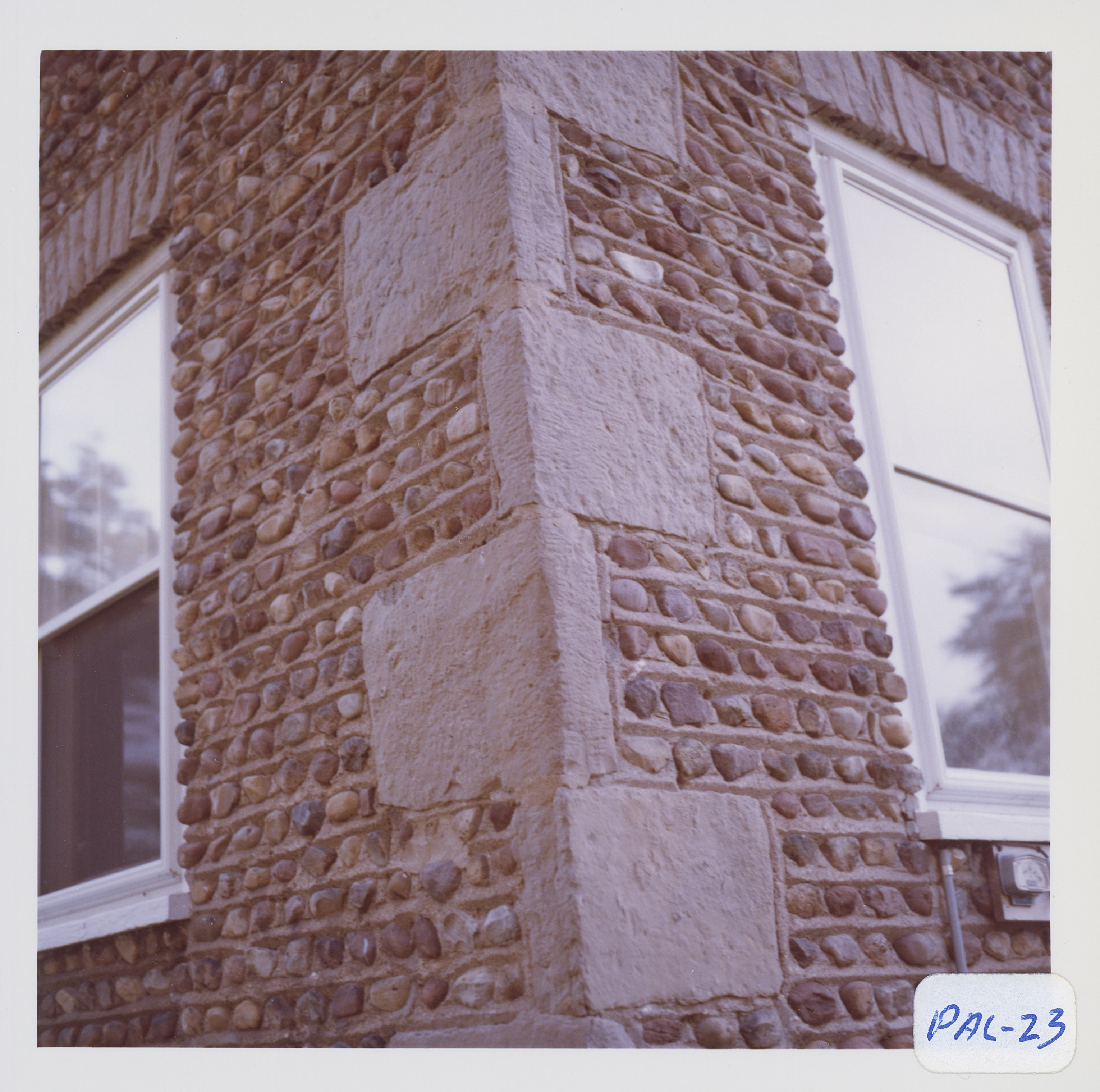
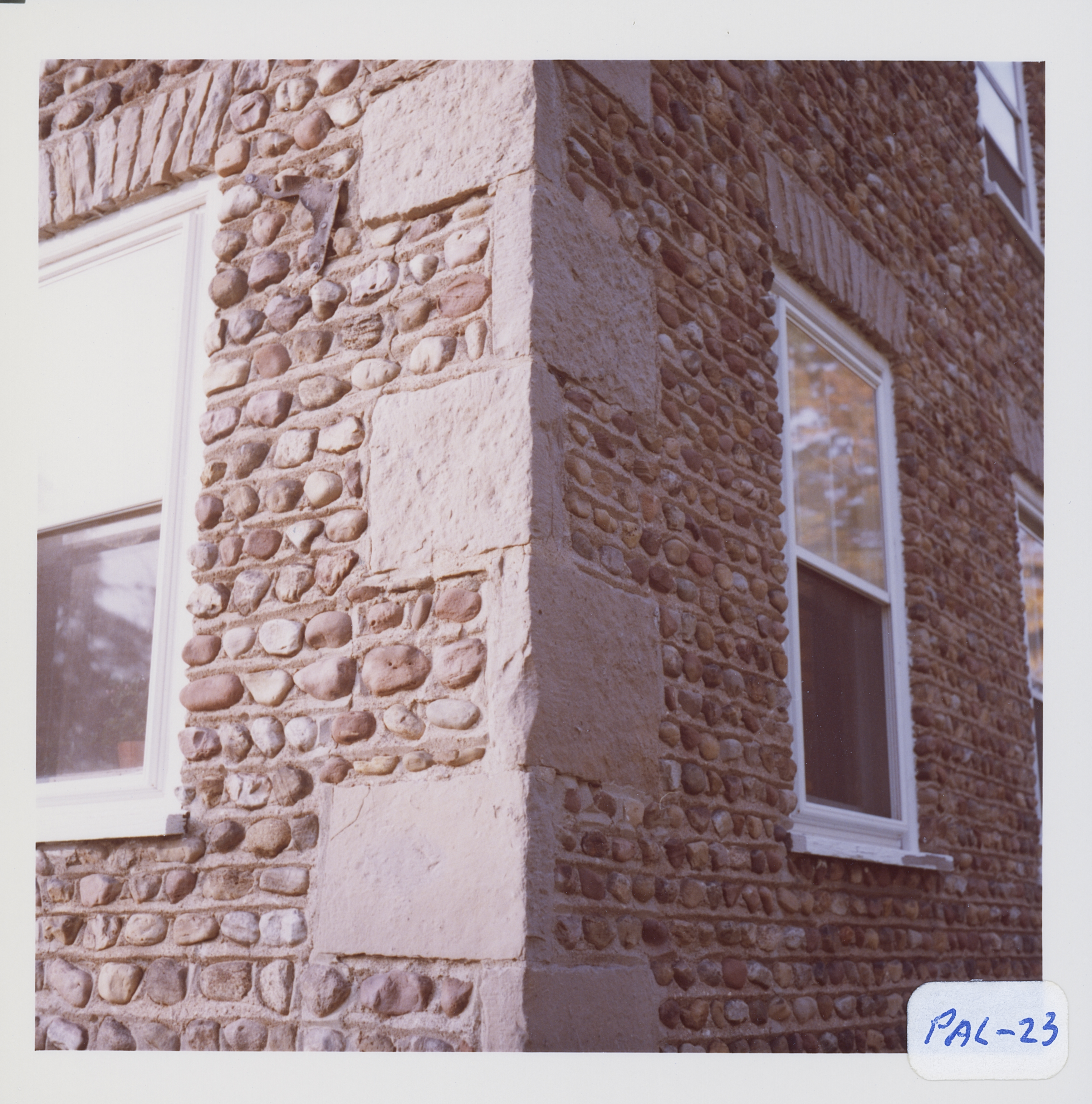
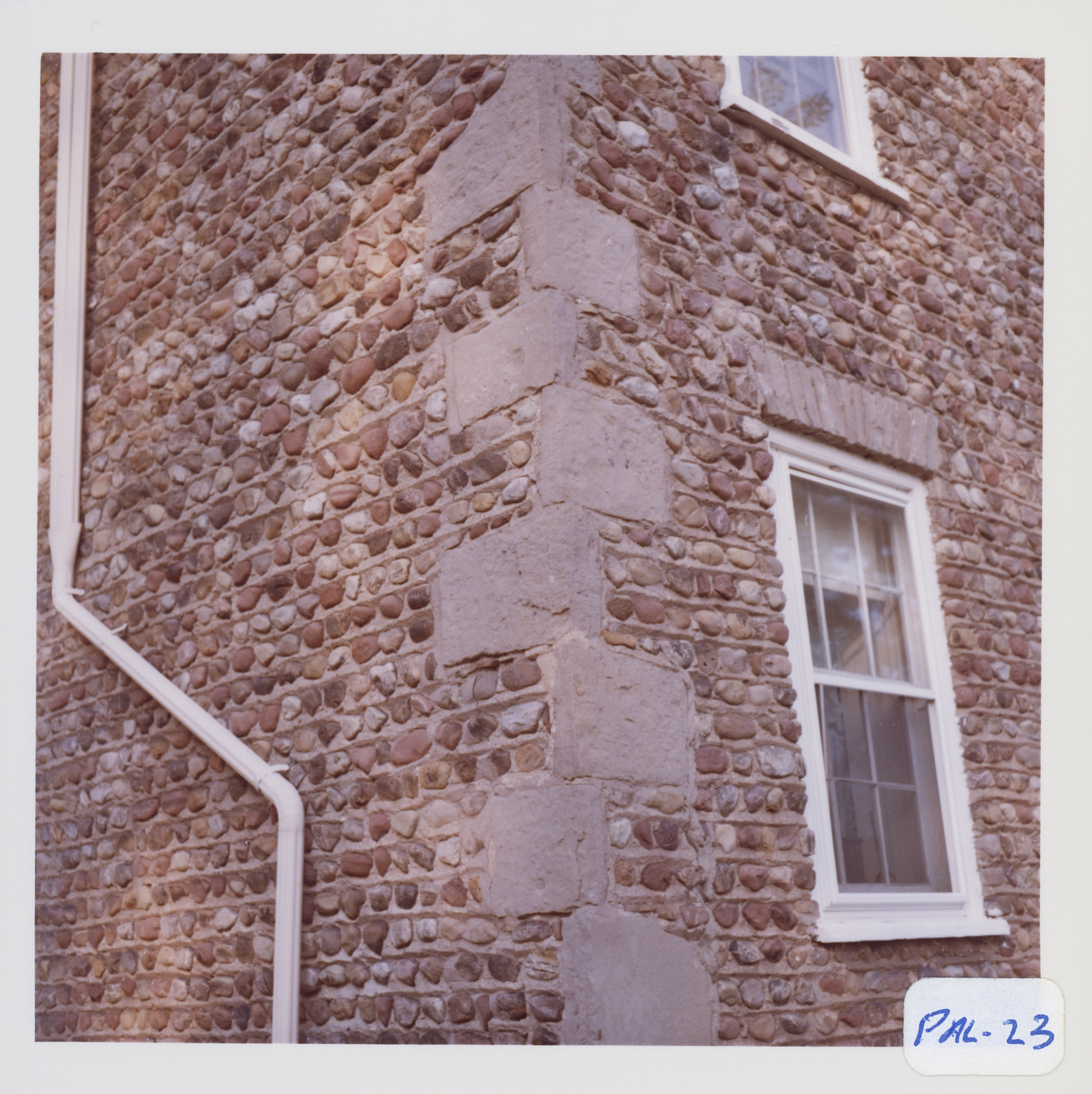
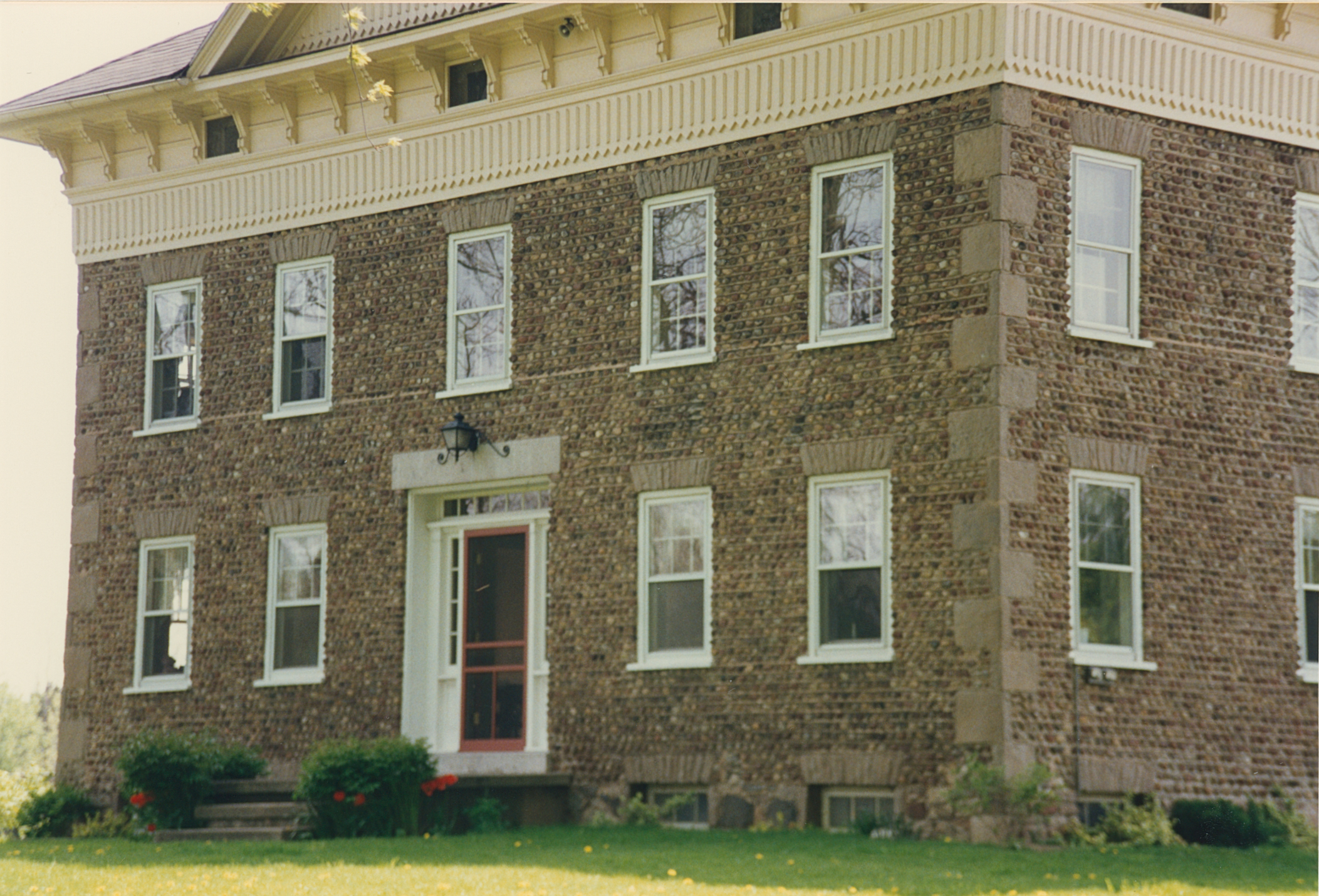
Corner structures: Variable. Quoins are irregular and are made of gray limestone.
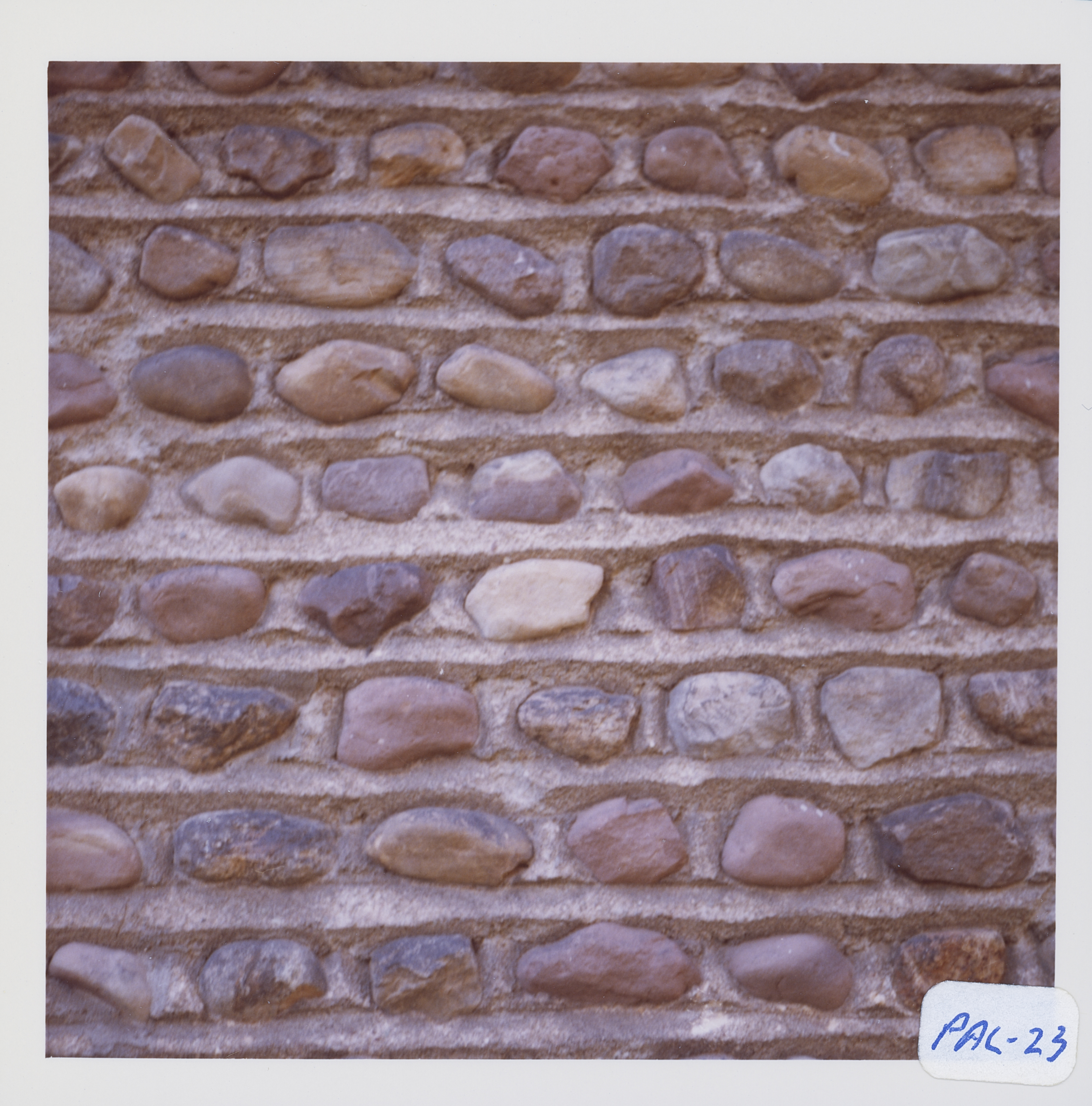
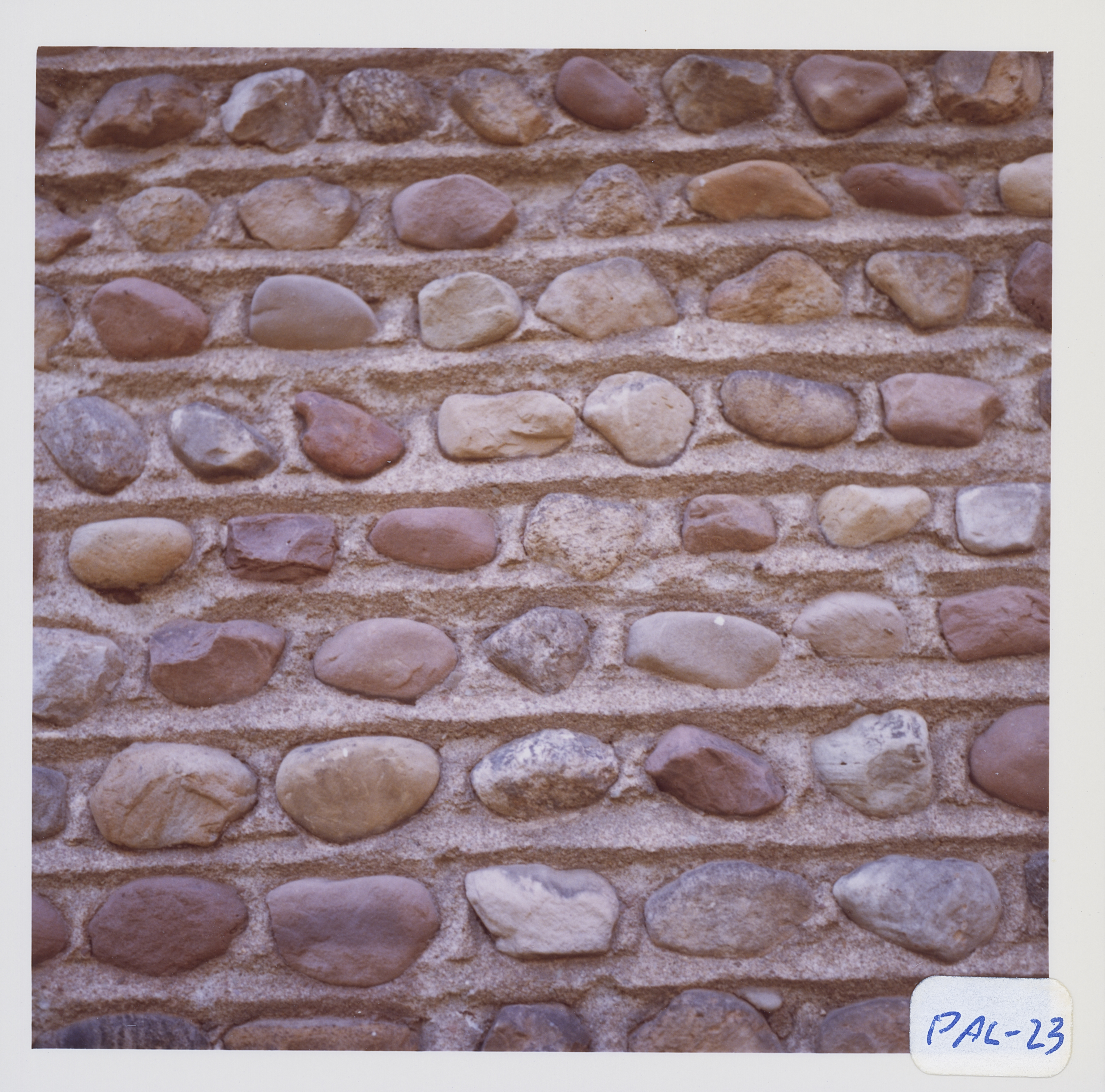
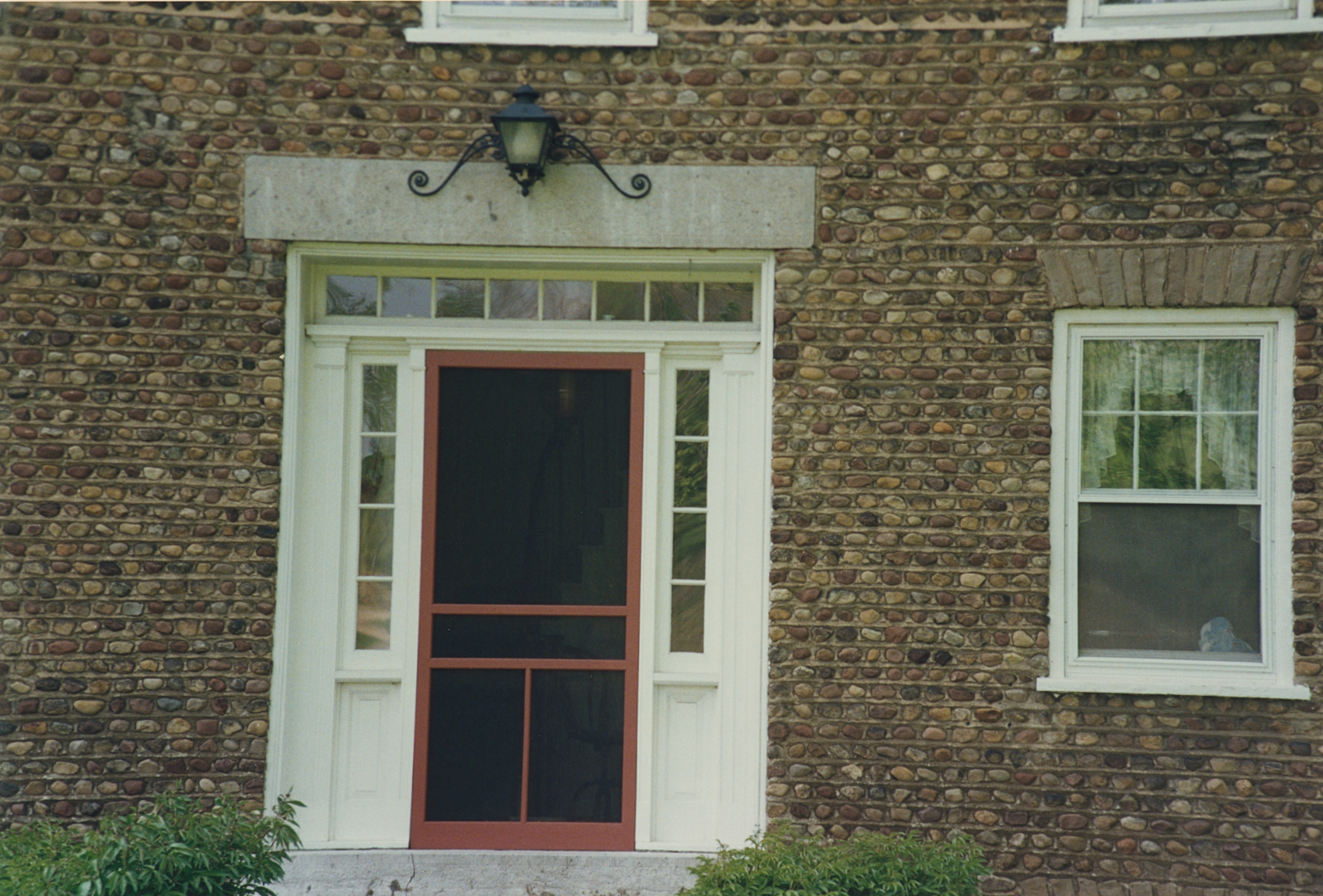
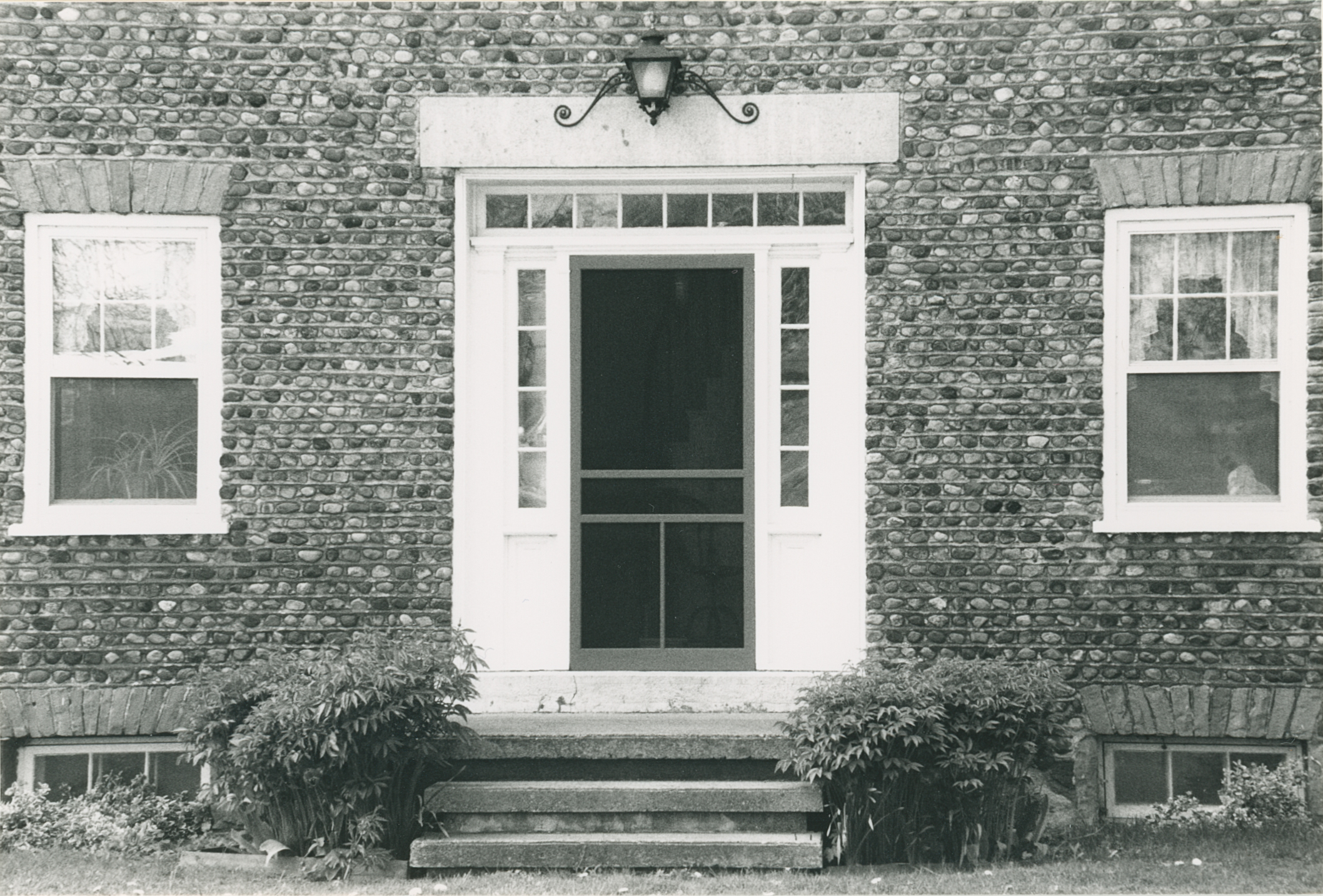
Mortar application and content: Vertical pyramids. The mortar between stones is elevated into columns, but only a few are pyramid shaped.
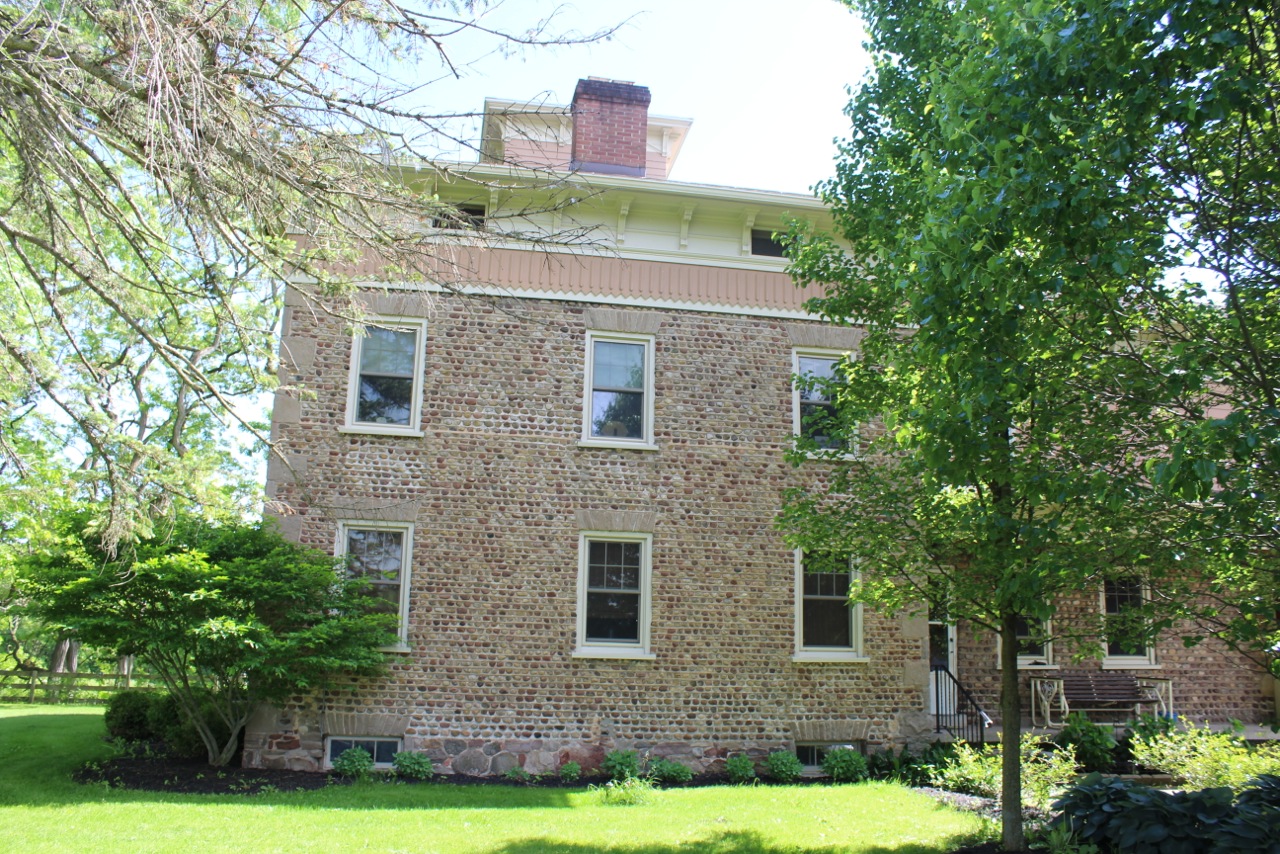
Types and uses of stones: Irregular rough. Stones are irregular in shape and vary in color. They are laid five rows to the quoin in the front and right side. On the left side, the rows vary from 3 to four, depending on the size of quoins and stones. On the back, there are four rows per quoin.
Types and choice of windows: Lintels gray cut stone. The window lintels are constructed of blocks of split limestone.
Structures with similar masonry details:
Masons who worked on building:
Unique features:
Map views courtesy Google Maps. Address is Google Earth confirmed; 43°05'04.30"N 77°13'49.31"W. Current owner of record, Wales as of the 2019 Tax Roll.
Town of Palmyra and Wayne County Maps
The Roudabush Survey on page 13 lists the original use of this building as a barn. The appearance of the structure with no other supporting evidence suggests this is an error.
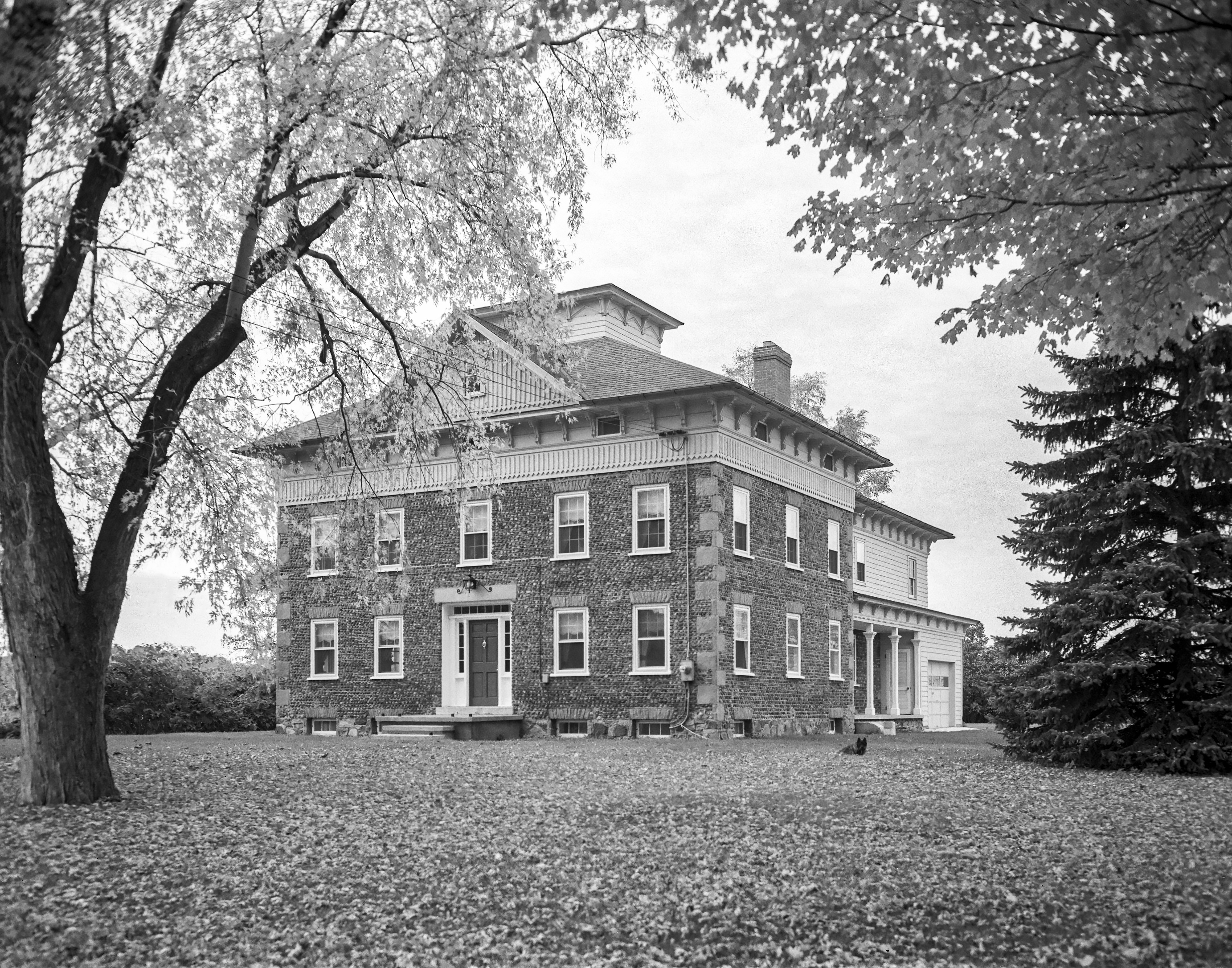
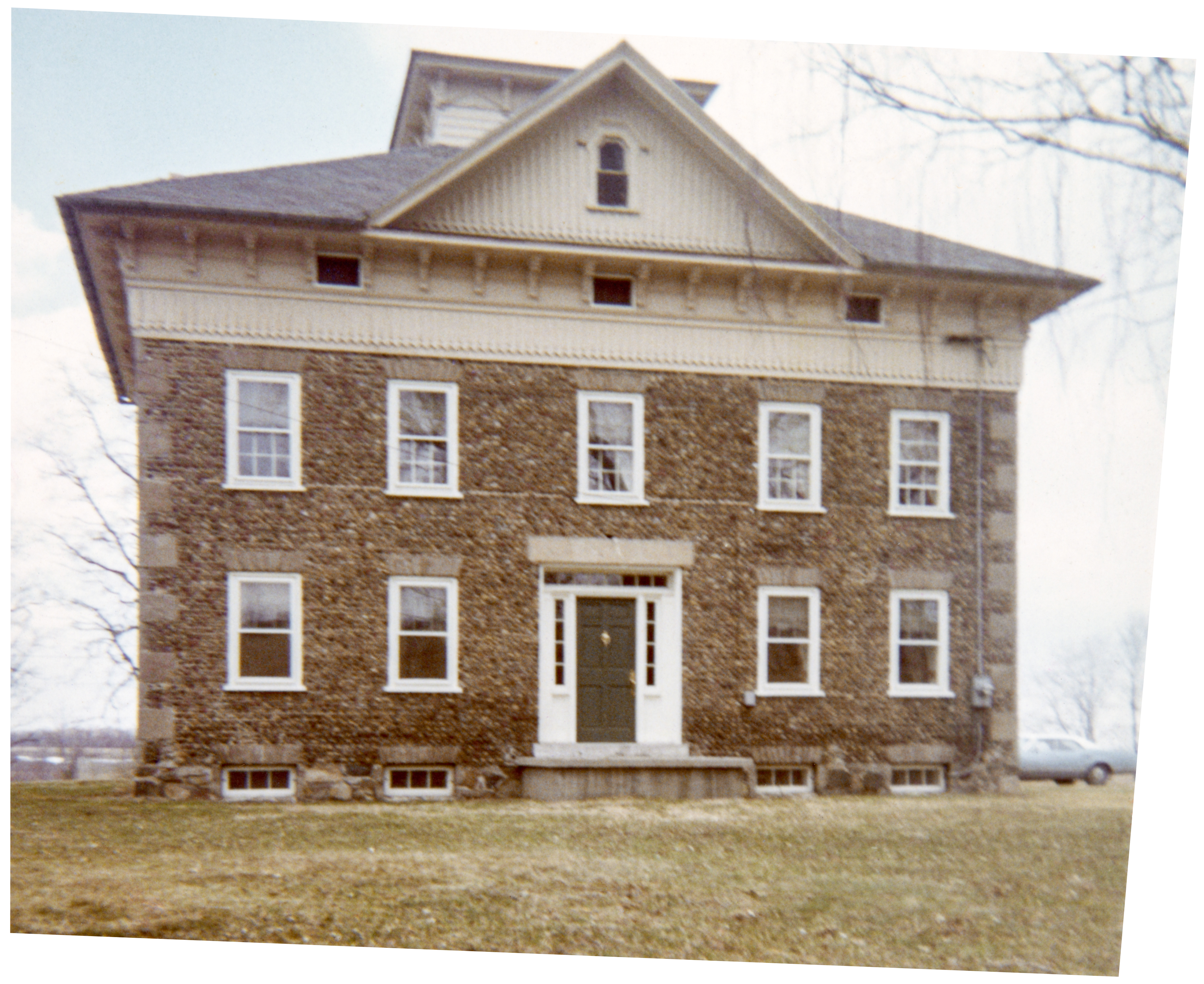
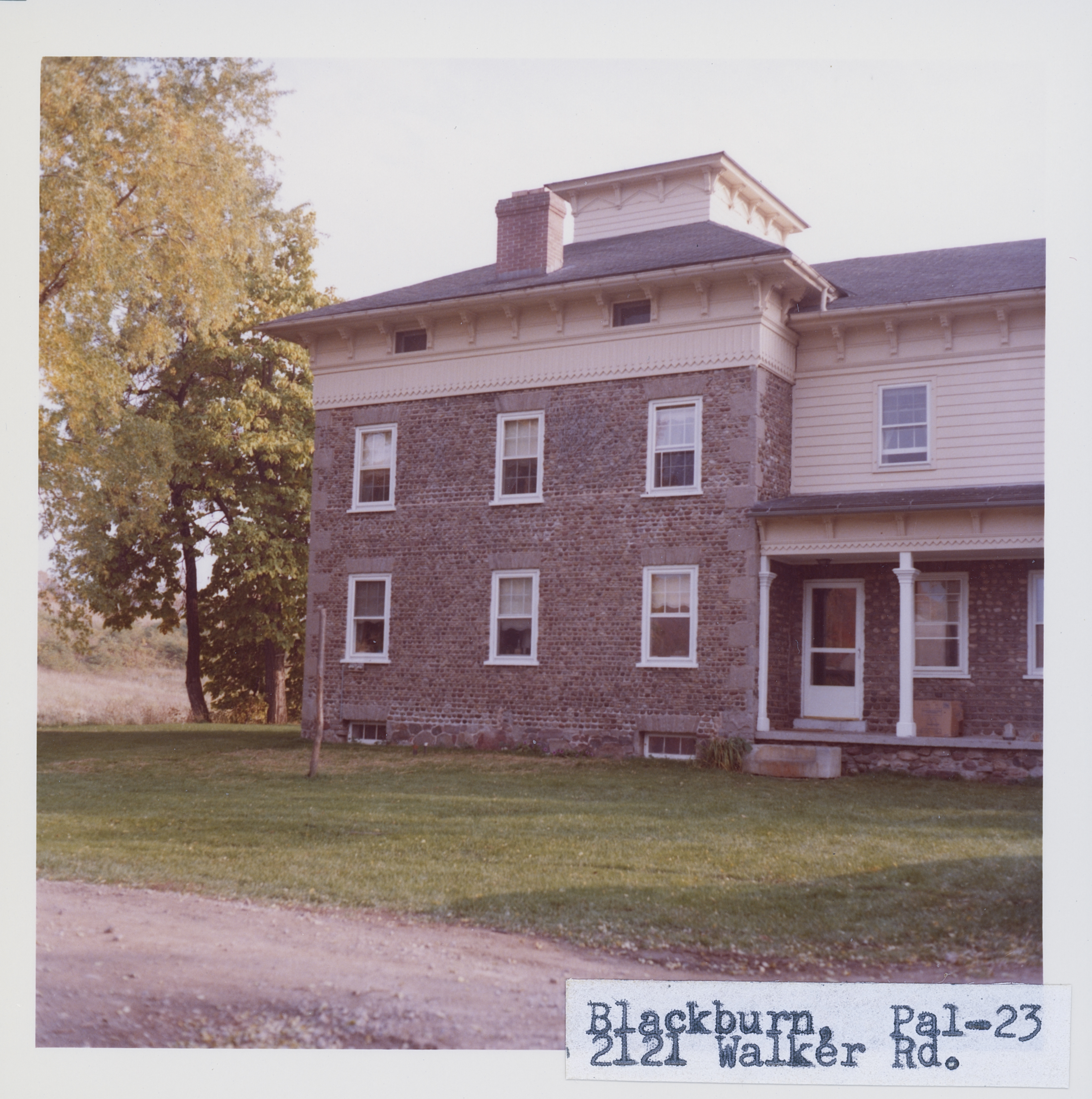
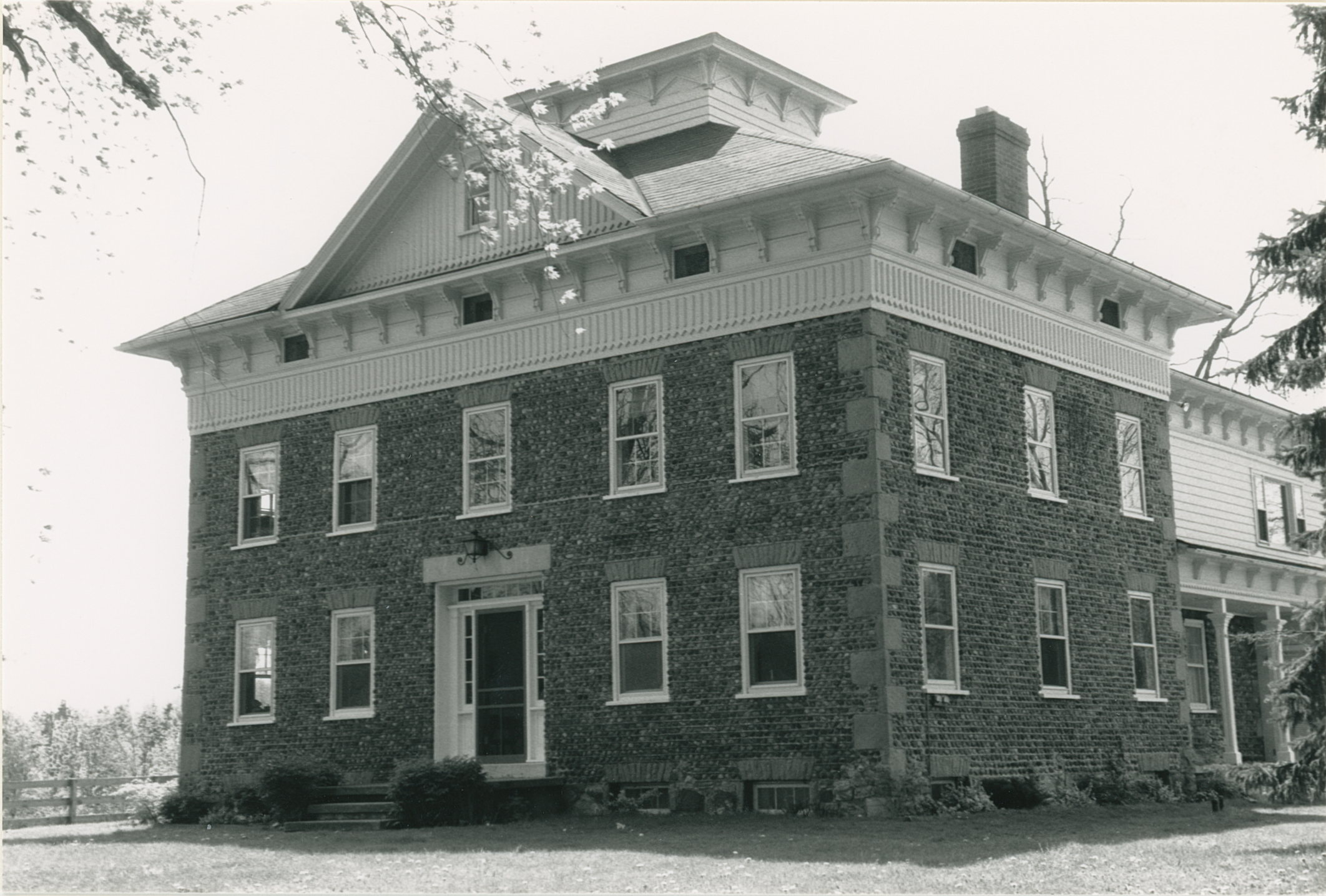
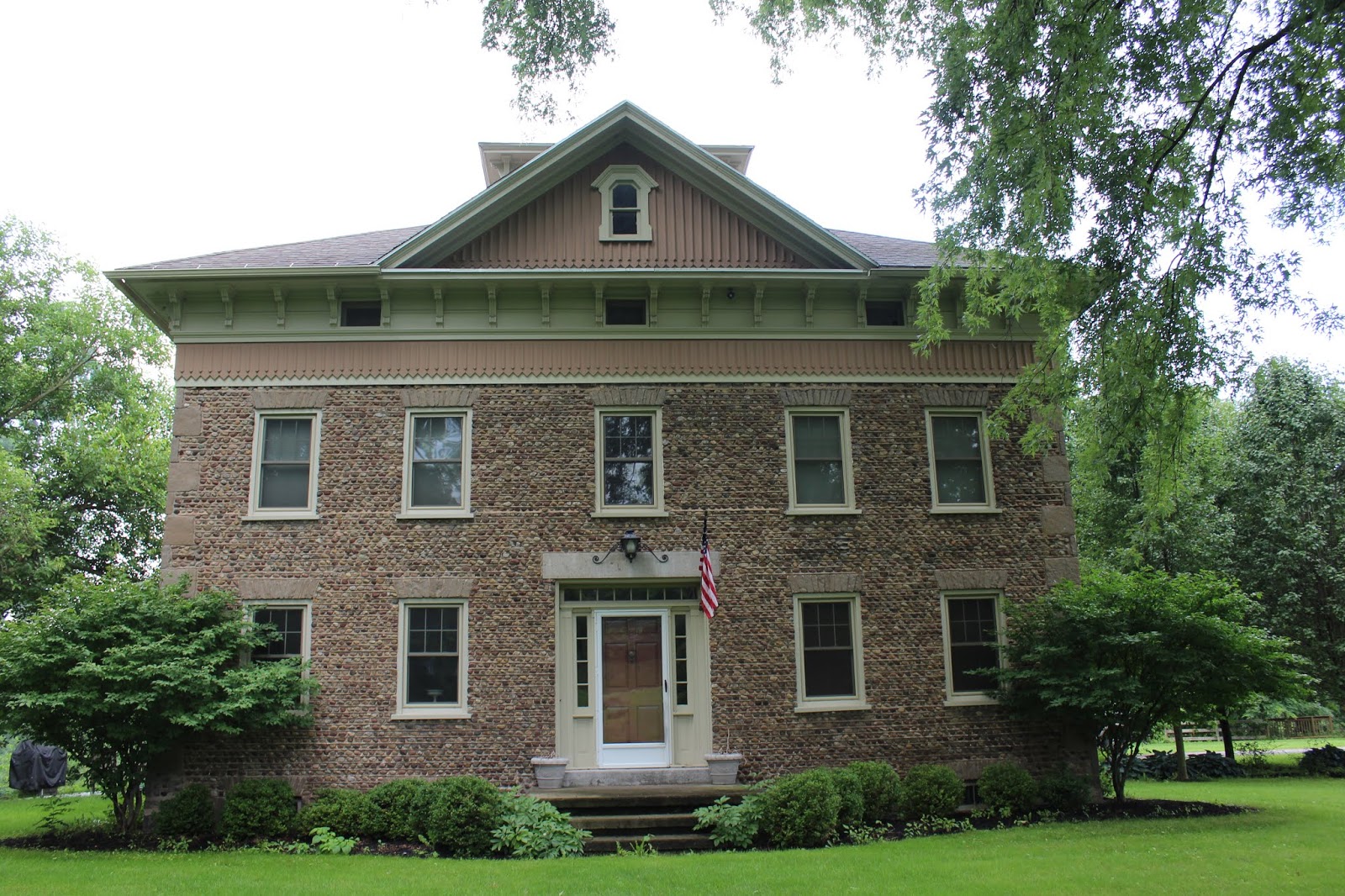
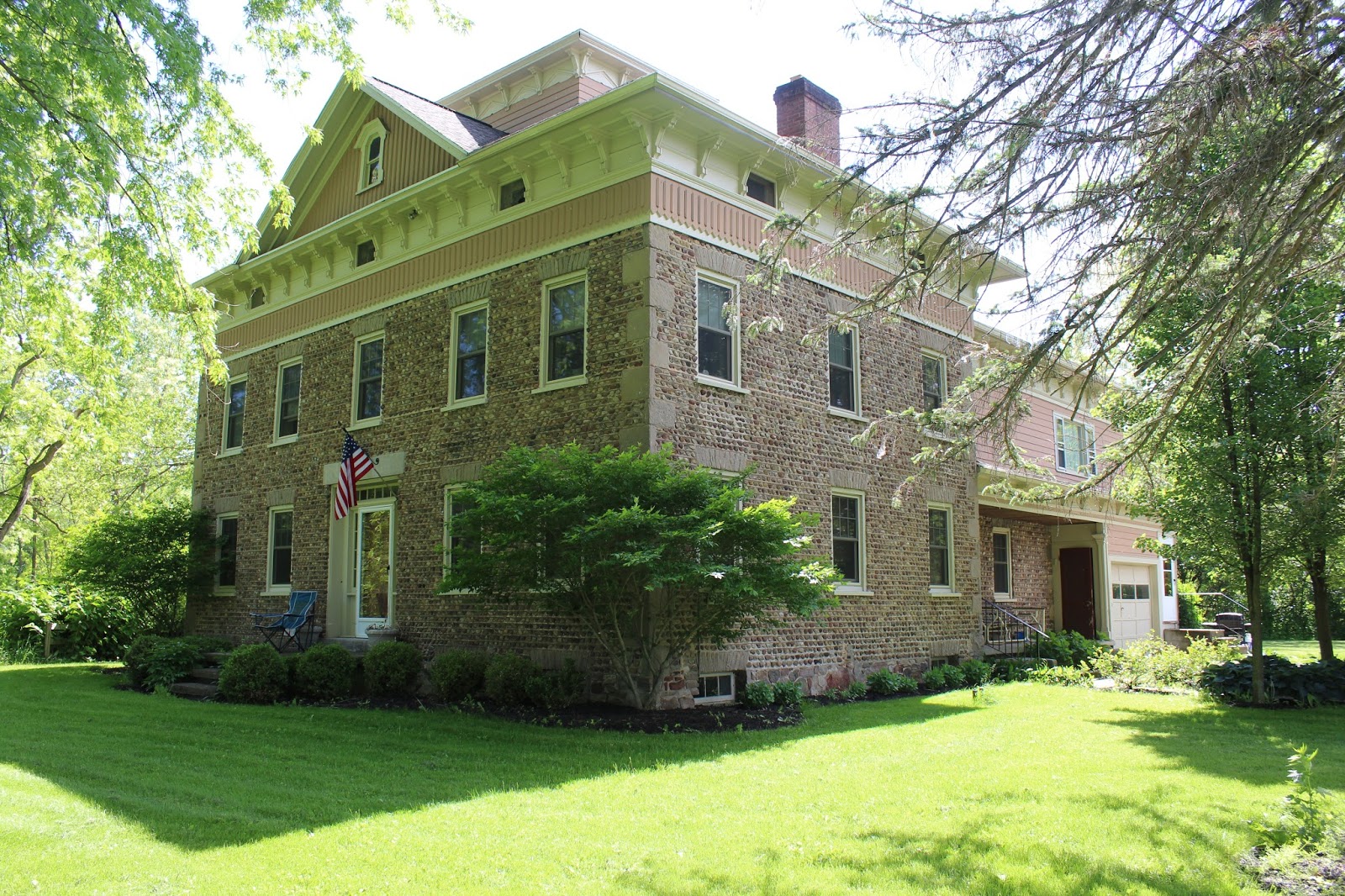
At 2121 Walker Road is a large 2 story cobblestone house with another frame story on top. The back wing is only one story with a second front story added on top. Quoins are irregular and are made of gray limestone. The window lintels are constructed of blocks of split limestone. Stones are irregular in shape and vary in color. They are laid five rows to the quoin in the front and right side. On the left side, the rows vary from 3 to four, depending on the size of quoins and stones. On the back, there are four rows per quoin. The mortar between stones is elevated into columns, but only a few are pyramid shaped. Roudabush Survey page 115
This cobblestone house at 2121 Walker Road in the town of Palmyra is a real mystery. It doesn't appear in Verlyn Klahn's "Cobblestone Structures of Wayne County", or any sources I can find. It is called the Blackburn House. It appears to have probably originally been a five-bay Greek Revival (neo-classical) house of the 1840s with the Victorian touch added probably in the 1870s. The owner doesn't know much about it. Bonnie Hays knows nothing about it. It is located about a quarter of a mile down the hill from Walker Road and during the summer is nearly out of sight. Richard Palmer email 30APR2019.
This residence at 2121 Walker Road, Palmyra was originally a typical five-bay farm house of the 1840s, built of field stone. It is believed it was built by Aretus Lapham, an early pioneer who came here from Providence, R.I. in 1810. Lapham originally resided in a nearby log house. Later it was occupied by his son, Nathan. In the 1870s the farm was sold to Charles C.B. Walker who may have added the third-story frame section and cupola of Victorian design. A 1904 map of the Town of Palmyra shows it as part of the Charles C.B. Walker estate. The caretaker for the Walker estate resided here, according to the present owner. Richard Palmer blog.
Wayne County Historic Site courtesy Wayne Historians Organization (WHO)
- "The Era of Cobblestone Architecture", unpublished manuscript 1972. To access the manuscript content about this structure, see 152. Wayne County, Lapham-Hitchcock. This structure is not included in the subsequent book "Cobblestone Landmarks of New York State", 1978.
.jpg)
¹ Image courtesy Richard Palmer blog. Attribution not provided.
² Photography courtesy Gerda Peterich. Cobblestone Museum.
³ Image courtesy Cobblestone Museum.
4 Photography courtesy Martin and Sheila Wolfish.
5 Photography courtesy Richard Palmer.
